
Where the Karakoram, Hindukush and Himalaya converge.
This is not a highlights tour; it is a genuine immersion. Gilgit-Baltistan is the place where three of the world's greatest mountain ranges — the Karakoram, the Hindukush and the Himalaya — converge in a single region the size of Austria. We have spent years building the private access, local relationships, and logistical knowledge to show it to international visitors the way it deserves to be seen: unhurried, unshared, and unforgettable. Ten days. One dedicated guide, one private 4x4, and a sequence of moments that no group tour can replicate.
Your private transfer collects you from Islamabad International Airport. We fly to Gilgit on one of the world's most dramatic domestic routes — 50 minutes low over the Nanga Parbat massif, nape of the earth passing beneath the wings. Settle into your Gilgit heritage guesthouse and take a slow evening walk along the Gilgit River. The altitude here is 1,500 metres; your body begins its quiet adjustment.

A full day to settle into the region at its capital before pushing deeper. The 7th-century Kargah Buddha carved into a clifface above the river — one of the oldest Buddhist rock carvings in the subcontinent — with a local historian who has studied the site for two decades. The confluence of the Gilgit and Hunza rivers viewed from the old polo ground. Afternoon in the old bazaar: dried apricots, hand-embroidered Gilgiti caps, and the quiet hospitality of mountain shopkeepers who rarely meet a foreign visitor.
Third Domain Exclusive
"A private dinner with a local Ismaili family — an extraordinary window into the progressive, culturally distinct society of Gilgit-Baltistan that most tours never access."
An early 4x4 jeep ascent on a track most tour operators don't bother with. Naltar Valley sits at 3,000 metres and receives a fraction of the visitors that Hunza does — which is precisely why we include it. The Satrangi (seven-colour) lakes shift from turquoise to cobalt to emerald depending on light and angle. The surrounding pine and juniper forests are a habitat for snow leopard. Night stay at the Naltar guesthouse under skies with no light pollution within 200 kilometres.
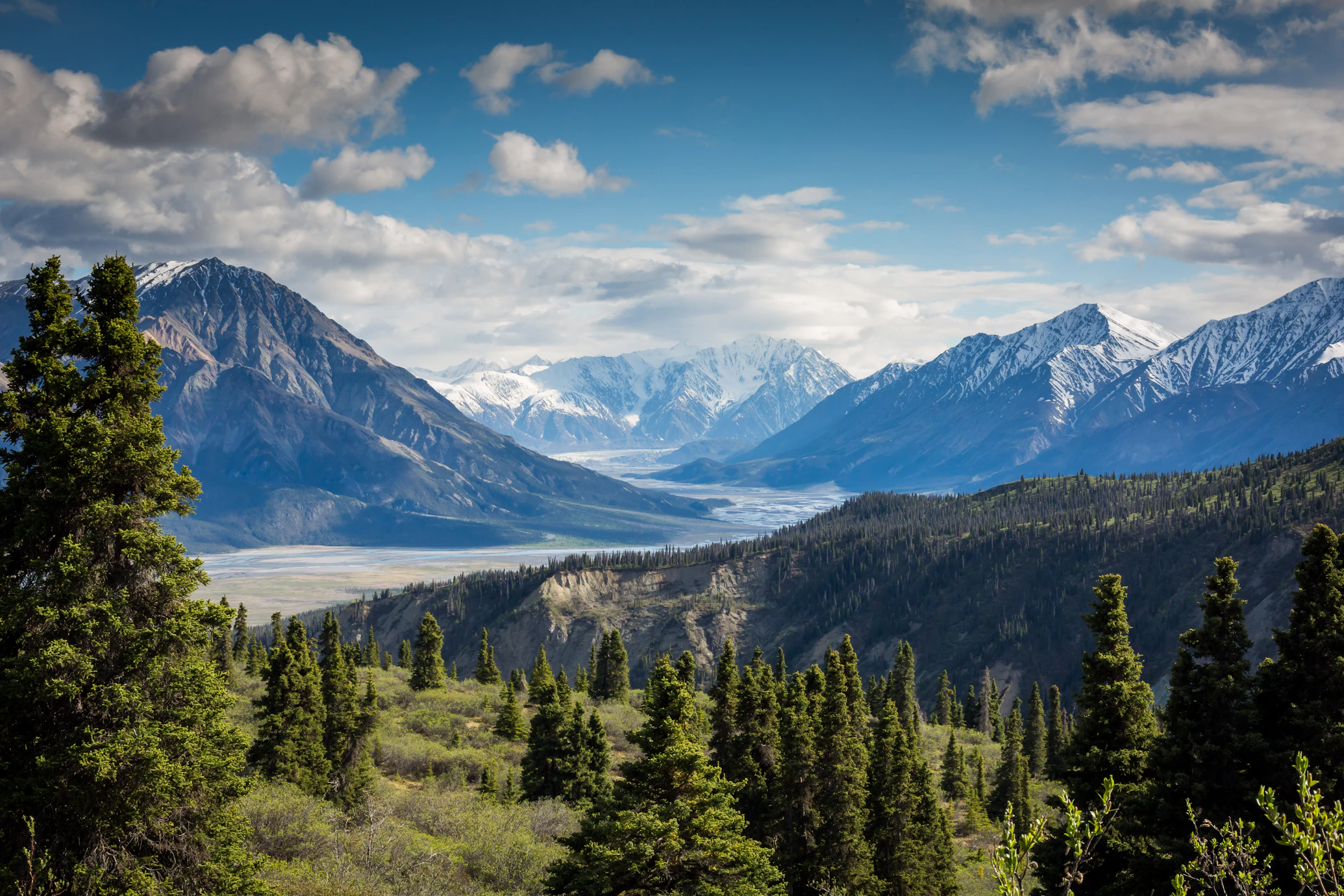
Descend from Naltar and join the Karakoram Highway northward towards Hunza. A long photography stop at the Rakaposhi viewpoint — the mountain's 7,788-metre south face rises nearly 6,000 vertical metres from the valley floor, one of the greatest relief differentials on earth. Arrive in Karimabad by afternoon. Check into your heritage hotel perched above the valley. The Hunza Valley stretches below in every direction; Ultar Peak dominates the sky directly above.
A full day in the heart of Hunza. Private early-morning access to Baltit Fort — 700 years old, restored by the Aga Khan Trust for Culture, built in Tibetan style above the oldest continuously inhabited settlement in the valley. Afternoon at Altit Fort, the older of the two royal residences, with its carved wooden galleries overlooking a sheer 1,000-metre drop. At sunset, a private drive up to Eagle's Nest — at 3,200 metres, a panorama of six Karakoram peaks above 7,000 metres simultaneously visible.
Third Domain Exclusive
"A private audience with a Hunza cultural historian descended from the Mir's royal line — access to the fort's private residential quarters not open on standard tours."
Drive north into Upper Hunza. Attabad Lake — formed in 2010 when a landslide dammed the Hunza River, its water an unreal aquamarine against grey Karakoram walls — explored by private boat. Continue to the village of Passu, where the cathedral rock towers known as the Passu Cones rise vertically above the valley in impossible formation. Cross the Hussaini Suspension Bridge — one of the most photographed and most genuinely vertiginous bridges in the world — on foot. Night in Gulmit village guesthouse.

A dawn departure north on the final stretch of the Karakoram Highway to Khunjerab Pass at 4,693 metres — the highest paved international border crossing on earth, and the point where Pakistan meets China. The pass is a national park; Himalayan ibex and Marco Polo sheep are year-round residents. Stand on the border marker in a silence broken only by wind. Return south via Passu glacier viewpoints and the Batura Glacier snout. Back to Karimabad by evening.
Third Domain Exclusive
"Your guide carries a pre-prepared picnic assembled from Hunza provisions — dried mulberries, walnut bread, and apricot oil — to be eaten at the pass itself, at 4,693 metres."
Cross the Hunza River into Nagar — Hunza's historical rival kingdom, still largely off the tourist map and fiercely proud of that fact. The Hopar Glacier descends close enough to touch from the moraine trail, its crevassed surface a study in blue and white. Nagar Fort, perched above the valley, predates Baltit by at least a century. An afternoon walking through Wakhi villages where women wear embroidered headdresses and the houses are made of apricot wood. Night return to Karimabad.
A deliberate morning without agenda. The Karimabad bazaar one last time — hunza water, dried apricots for the journey, a local embroidery workshop that operates out of a single front room. Late morning departure south along the Karakoram Highway to Gilgit. An unhurried dinner at the guesthouse. This is the night the mountains feel most present — known now, about to recede.
Morning flight from Gilgit to Islamabad. Your private transfer onward to Islamabad International for your international departure, or to your Islamabad hotel if continuing in Pakistan. Your Third Domain concierge remains available for 48 hours post-departure for any onward travel assistance. Note: a 4x4 KKH overland return (12–14 hours) is available as a no-cost alternative if the flight is cancelled due to mountain weather — a not uncommon occurrence, and one of the great drives in Asia.
Inclusions & Considerations
What is Included
- ✓ All accommodations (9 nights in heritage guesthouses and boutique mountain hotels throughout Gilgit, Naltar, Karimabad, and Gulmit).
- ✓ Return domestic flights Islamabad–Gilgit plus a private 4x4 vehicle and experienced mountain driver for the entire 10 days.
- ✓ All meals, private boat on Attabad Lake, Khunjerab picnic, and curated cultural dinners listed in the itinerary.
- ✓ Baltit Fort and Altit Fort private access fees, all police and NADRA registration for foreign nationals, and Khunjerab National Park entry.
- ✓ Dedicated English-speaking guide specialising in Gilgit-Baltistan history, culture, and geology throughout all 10 days.
- ✓ Overland KKH return as no-cost fallback if Gilgit flight is cancelled due to weather.
What is Not Included
- ✕ International airfare to and from Pakistan.
- ✕ Pakistan tourist visa (eVisa required before arrival).
- ✕ Personal travel insurance including mountain rescue coverage (mandatory for participation).
- ✕ Discretionary gratuities for local drivers, porters, guesthouse staff, and specialty hosts.
- ✕ Optional adventure add-ons: Passu Glacier trek, Rakaposhi Base Camp day hike, jeep rally to Fairy Meadows (available on request, priced separately).
Before You Travel to Gilgit-Baltistan
What is the best time to visit Gilgit-Baltistan?
May to October is optimal for this itinerary. June to September offers full road access to Naltar, Khunjerab Pass, and all glacier approach routes. Late August and September are exceptional — clear skies, comfortable temperatures at altitude, and the first autumn gold appearing on the apricot and poplar trees throughout the Hunza Valley.
How do we travel between Islamabad and Gilgit?
We book domestic flights on PIA — a 50-minute flight over the Karakoram that is itself one of the great aviation experiences in the world. Mountain flights are weather-dependent and occasional cancellations occur. We build a fully serviced 4x4 overland return via the Karakoram Highway into every itinerary as a no-cost contingency. The KKH drive takes 12–14 hours and is, in its own right, worth doing.
Is this tour suitable for travellers who don't hike?
Yes. The Gilgit Immersive is graded moderate. The majority of each day is spent in a private 4x4 vehicle with viewpoint stops and walks of between 30 minutes and 2 hours on established paths. The Naltar Valley section involves a jeep ascent on rough road and a 45-minute flat walk to the lakes. The Khunjerab Pass is reached entirely by vehicle. We adjust pace to your group.
Is Pakistan — and specifically Gilgit-Baltistan — safe for international tourists?
Gilgit-Baltistan has an outstanding safety record for foreign visitors and is consistently rated one of the most welcoming regions in Asia by independent travellers. The Ismaili Muslim communities of Hunza and the Nagar Valley have a centuries-long tradition of hospitality to travellers on the Silk Road. We maintain live local intelligence and government contacts throughout the region.
What altitude does this tour reach, and how is altitude managed?
The highest point is Khunjerab Pass at 4,693 metres (15,397 ft). Hunza Valley sits at approximately 2,400 metres and Naltar at 3,000 metres. We structure the itinerary to ascend gradually — two nights in Gilgit at 1,500 metres before climbing to Naltar and Hunza. Your guide carries altitude medication and we brief all guests thoroughly before departure. Mild altitude symptoms (headache, reduced appetite) are common and expected; serious altitude sickness at these elevations is rare with proper acclimatisation.